Why Heat Aggravates Facial Capillaries and How to Treat Them
When the environmental temperature rises, many people notice an unwanted change in their complexion. The heat can cause underlying vascular issues to become highly visible on your cheeks and nose. At Sunswirl Laser & Esthetics, we frequently consult with clients who feel frustrated by this seasonal increase in facial redness. Finding an effective method for treating broken capillaries requires understanding exactly how your skin responds to environmental triggers.
The root of this issue lies in how your vascular system regulates body temperature. When your body tries to cool down, blood vessels expand to release heat, which puts pressure on weakened capillary walls. This extra pressure often causes those tiny vessels to remain visibly dilated long after you have stepped back indoors. We can address this problem by targeting the compromised vessels directly with advanced clinical techniques.
What We Cover:
- The Biological Reaction to Warm Environments
- The Triggers That Aggravate Vascular Redness
- Why At-Home Remedies Often Backfire
- Clinical Solutions for Lasting Clarity
The Biological Reaction to Warm Environments
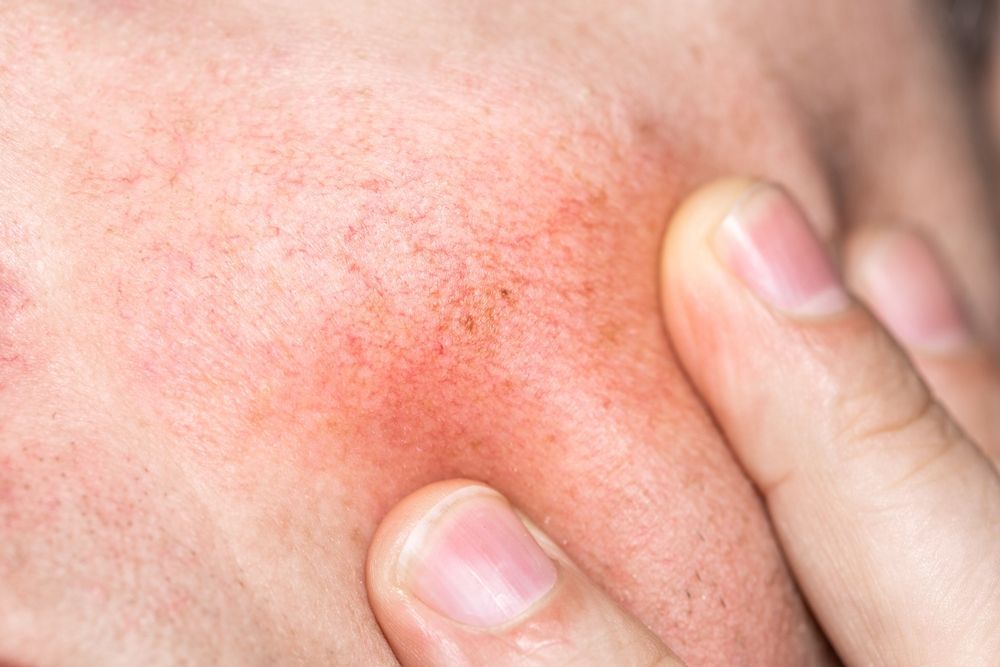
Your skin is a highly responsive organ that constantly works to keep your internal temperature stable. When you spend an afternoon walking down Portland Street in a warm climate, your body automatically dilates blood vessels to bring warm blood closer to the surface. This process is known as vasodilation and it is a perfectly normal biological function. However, for individuals with weakened capillary walls, this expansion can stretch the tiny vessels beyond their elastic limit.
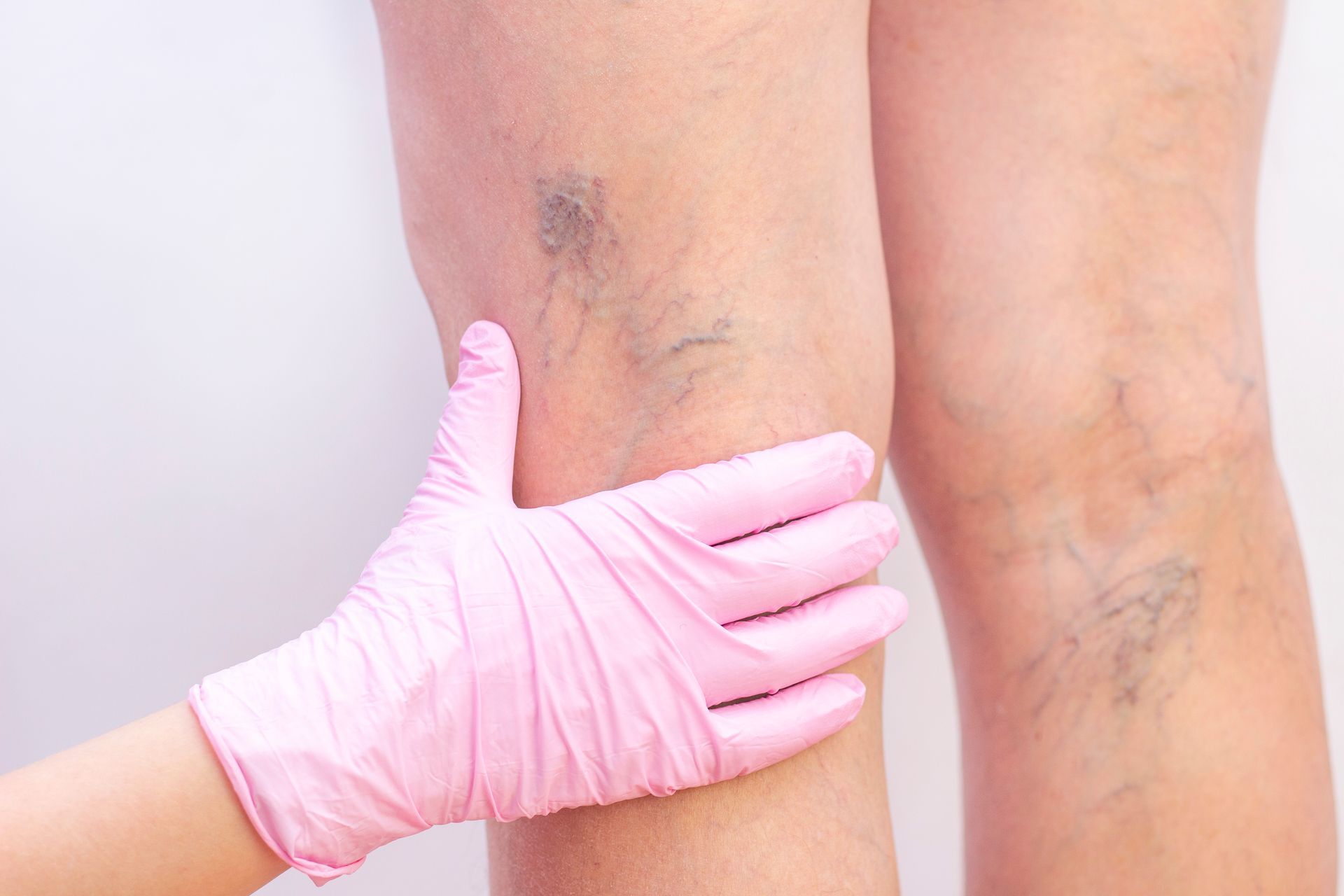
Once a capillary loses its elasticity, it cannot shrink back to its original invisible size. The trapped blood remains visible through the translucent layers of the epidermis, creating the appearance of spider veins or red splotches. Treating broken capillaries effectively means we have to look past the surface redness and focus on the compromised vascular structure underneath.
→ From a professional standpoint: Vasodilation explains why your face flushes in the heat, but permanent redness indicates a structural failure of the capillary wall itself.
The Triggers That Aggravate Vascular Redness
Environmental factors play a massive role in vascular health. Beyond just ambient heat, significant temperature fluctuations place immense stress on your capillaries. Moving from a heavily air conditioned room out into a humid afternoon forces your blood vessels to expand rapidly. This constant expanding and contracting accelerates the wear and tear on the delicate vascular valves.
What causes broken blood vessels on the face to worsen?
Aside from temperature swings, UV exposure is the primary culprit that worsens existing vascular damage. Sunlight breaks down the collagen and elastin that support your blood vessels, leaving them even more vulnerable to dilation. Other common triggers include vigorous exercise, hot showers, and consuming spicy foods or hot beverages. When these triggers are combined with a naturally warm environment, the compromised vessels are forced to handle more blood flow than they can manage.
→ A quick tip to remember: Applying a physical block sunscreen daily is your best defense against the collagen degradation that leaves capillaries unsupported.
Why At-Home Remedies Often Backfire
Many clients attempt to manage their facial redness using over the counter cooling masks or topical astringents before seeking professional help. The reality is that treating broken capillaries requires altering the physical structure of the blood vessel. DIY treatments only address the surface temperature of the skin and provide a temporary shrinking effect at best.
Worse, many abrasive scrubs or chemical exfoliants sold as redness reducers actually strip the skin barrier. Scrubbing your face vigorously to stimulate circulation will only further damage the fragile vessels sitting just below the epidermis. You cannot scrub away a broken blood vessel, and adding physical trauma to the area will simply cause more capillaries to break. We often see clients who have accidentally worsened their condition by relying on harsh at-home extraction tools or aggressive chemical peels.
→ From a professional standpoint: Topical creams can soothe inflammation but they physically cannot repair or remove a dilated blood vessel that has lost its elasticity.
Clinical Solutions for Lasting Clarity
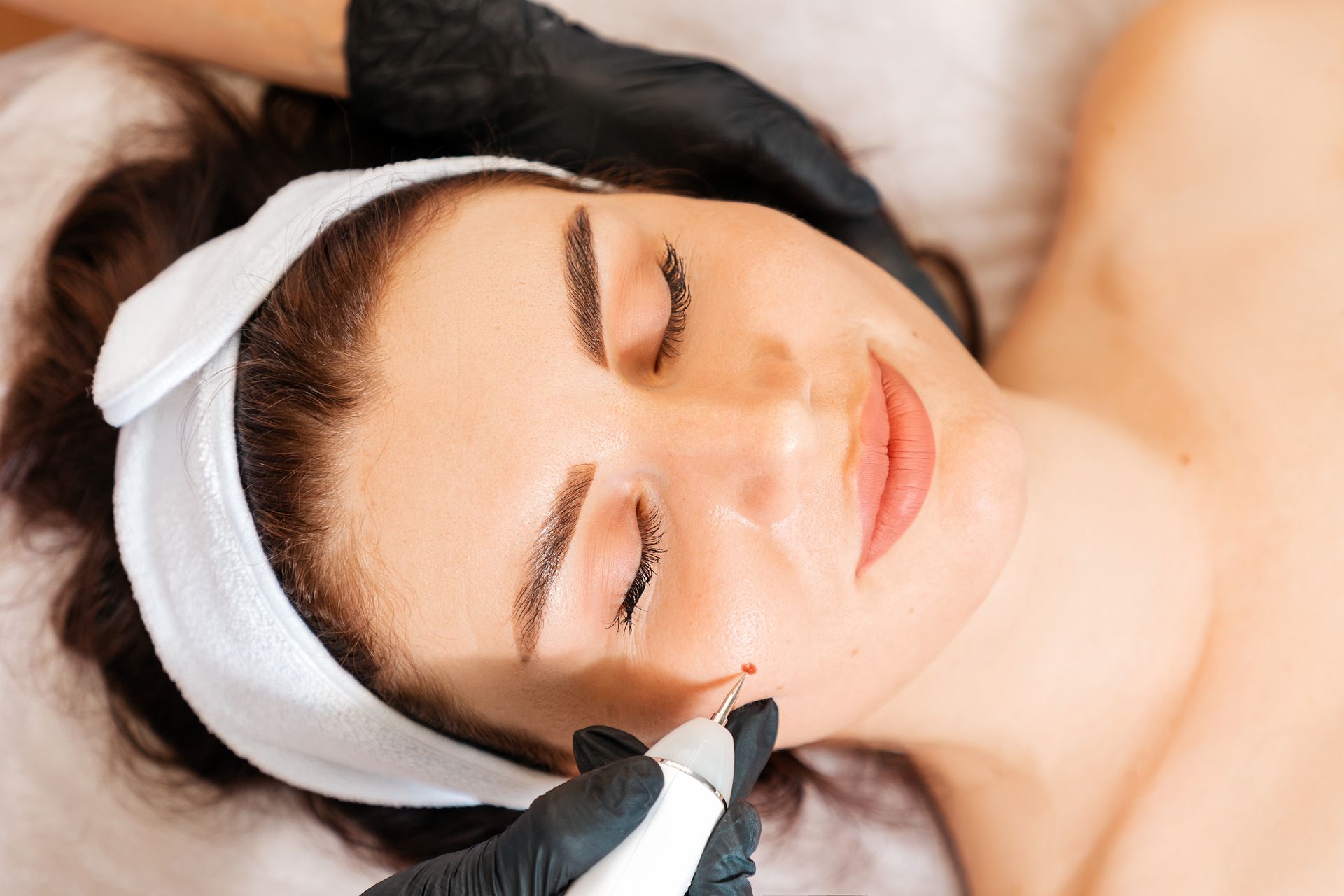
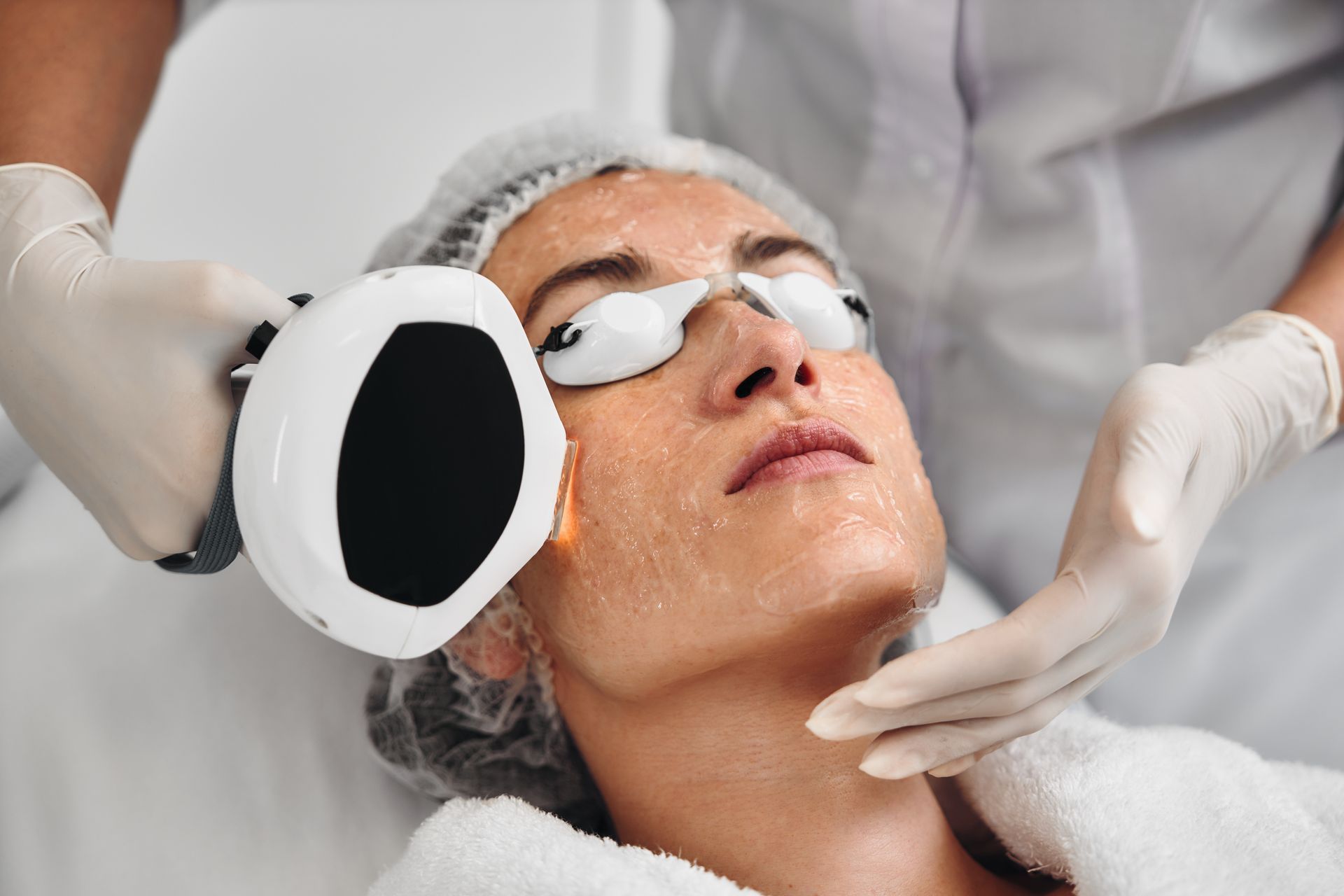
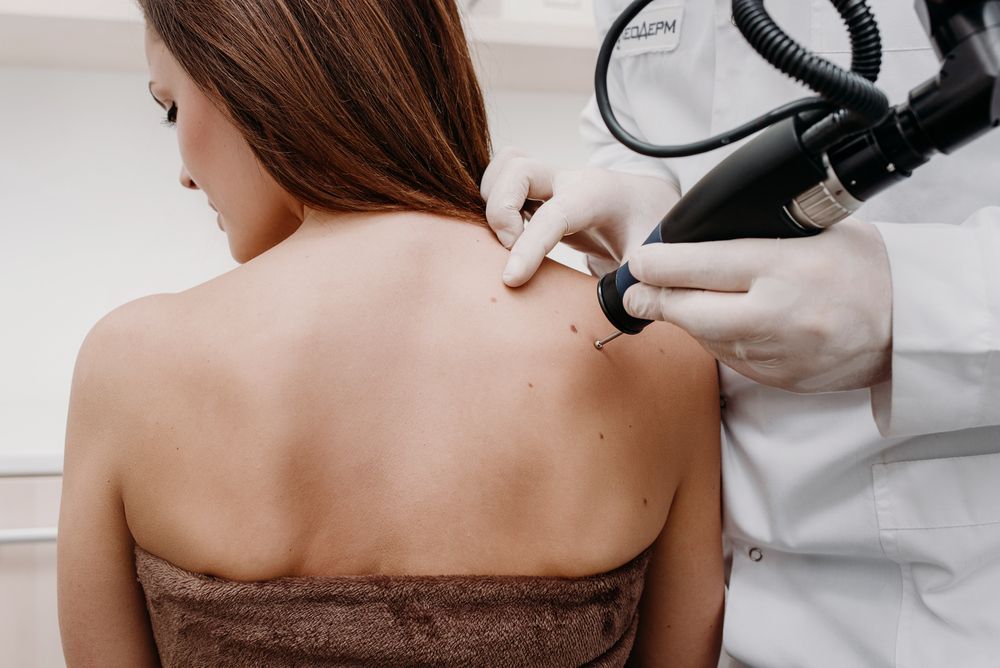
The most reliable way to clear these vascular anomalies is through a targeted clinical approach like Radiofrequency Thermocoagulation. This non-invasive service uses a high frequency current to apply pin-point heat directly to the damaged capillary. The heat energy coagulates the blood inside the vessel, causing the weakened walls to collapse.
Once the damaged capillary is sealed off, your body naturally reroutes the blood flow to deeper, healthier vessels. Over the following weeks, your lymphatic system processes and clears the collapsed tissue, leaving your skin looking even and clear. This process is incredibly precise, meaning we can target individual spider veins without affecting the surrounding healthy tissue.
→ From a professional standpoint: Thermocoagulation permanently seals the vessel wall so the body can naturally clear the trapped blood without harming the surrounding epidermis.
Take the Next Step Toward Clear Skin
Understanding the root cause of your facial redness is the first phase of achieving a clearer complexion. By avoiding harsh DIY methods and trusting clinical technology, you can safely remove those stubborn vascular blemishes. Reach out to our front desk team to book a thorough skin consultation and we will design a treatment plan that addresses your specific concerns. Book your thermocoagulation assessment today to start the healing process.