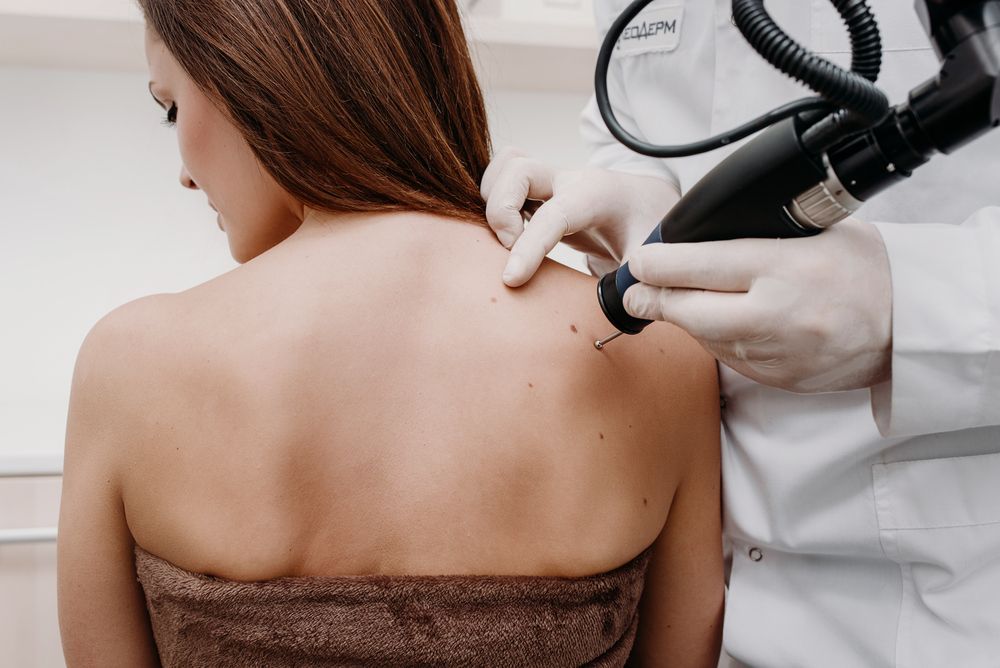
Why You Need to Start Laser Hair Removal Appointments This Fall
For many individuals, the end of the summer season signals a return to bulky sweaters and long pants, but it also opens the perfect biological window for permanent hair reduction. At Sunswirl Laser & Esthetics, we know that waiting until spring to think about smooth skin often leaves clients scrambling for last minute laser hair removal sessions. The cooler autumn weather naturally creates the ideal canvas for highly effective light-based cosmetic procedures.
If you are tired of the endless cycle of shaving, waxing, and dealing with painful ingrown hairs, right now is the time to take action. Fading natural tans and decreased outdoor activity mean your skin is in prime condition to absorb laser energy safely and effectively. Addressing the hair follicles during this seasonal shift ensures you will be completely ready to bare your skin when the warm weather finally returns.
What We Cover:
- Stage 1: Assess Your Skin Tone and Summer Fade
- Stage 2: Schedule Your First Melanin Targeting Session
- Stage 3: Protect the Treated Hair Follicles
- Frequently Asked Questions
- Secure Your Smooth Skin Journey
Stage 1: Assess Your Skin Tone and Summer Fade
Before we can safely apply light energy to the hair root, your skin needs to be evaluated for residual sun exposure. Ensuring your epidermis has returned to its baseline color is the first critical step in preparing for a successful laser treatment.
- Fade Time: Wait at least two to three weeks after your last significant sun exposure or tanning session.
- Halt Hair Removal: Stop plucking, tweezing, and waxing immediately, as the hair root must remain intact within the follicle.
- Shave Only: Carefully shave the treatment area a day or two before your evaluation to ensure the laser focuses below the surface.
Stage 2: Schedule Your First Melanin Targeting Session
Because hair grows in distinct cycles, you cannot achieve permanent hair reduction in a single afternoon. Booking your laser hair removal sessions during the early autumn months in Dartmouth gives you the long lead time necessary to complete a full series of sessions before spring.
- Plan Ahead: Map out your first three sessions right away to ensure you stay on schedule.
- Space Evenly: Book your appointments four to six weeks apart to align with your body's natural hair growth cycle.
- Commit Early: Lock in your preferred time slots now before the clinic schedule fills up with holiday prep appointments.
► The single most important urgency factor is that a full treatment plan takes several months to complete, meaning delaying your start date pushes your results into the middle of next summer.
Stage 3: Protect the Treated Hair Follicles
Once your first session is complete, protecting the skin barrier becomes vital for an optimal outcome. The cooler autumn weather naturally aids in this protection phase by keeping the treated areas covered and safe from irritation.
- Block UV Rays: Keep the treated skin entirely out of direct sunlight or use a high SPF mineral sunscreen daily.
- Avoid Heat: Skip hot showers, saunas, and intense workouts for at least 48 hours to prevent sweat from irritating the open follicles.
- Soothe Skin: Apply gentle, fragrance-free moisturizers to keep the epidermis calm and hydrated while it recovers.
Frequently Asked Questions
Why is melanin targeting safer on faded skin tones?
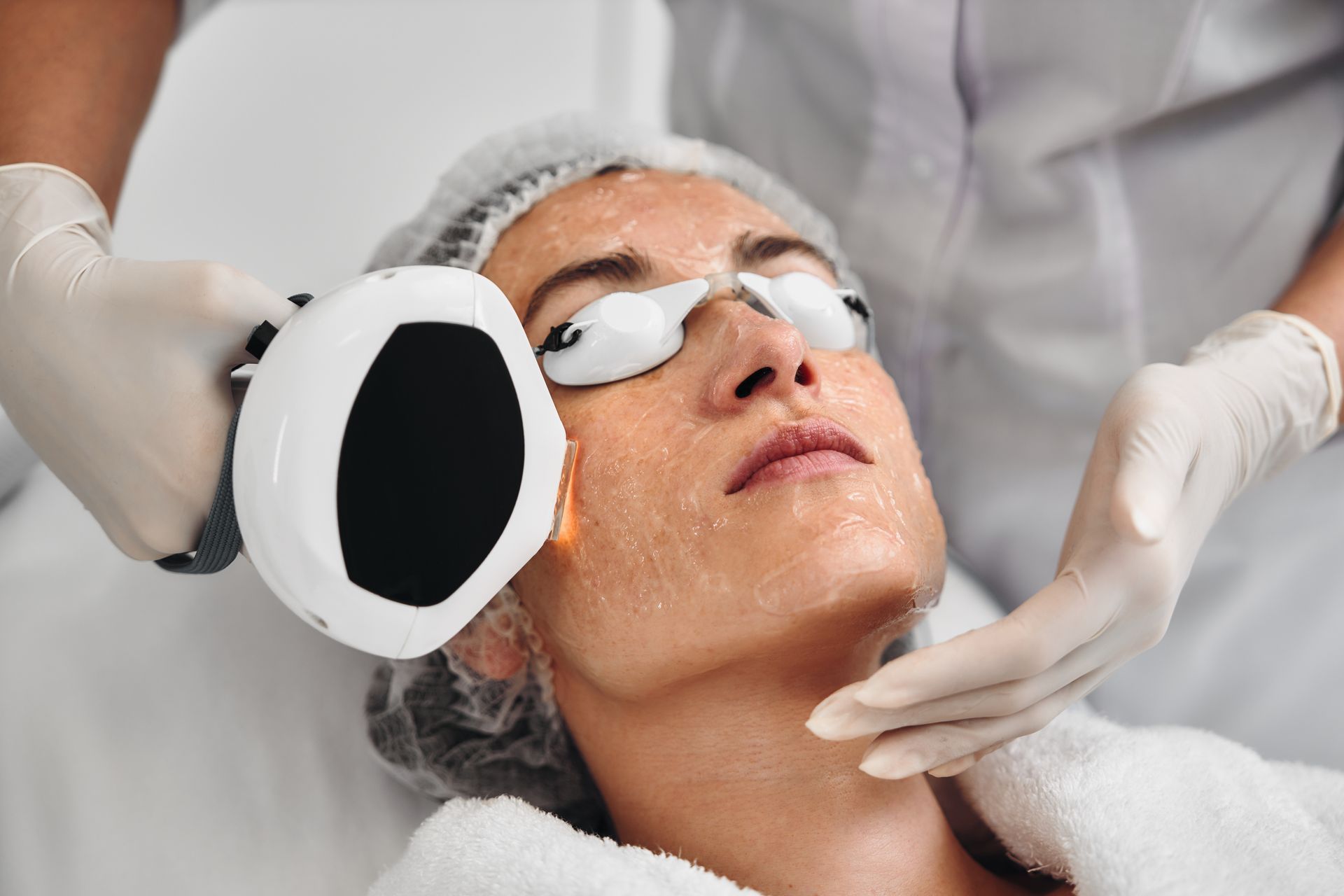
Laser technology works by sending light energy down into the hair follicle, where it is absorbed by the dark pigment, or melanin. If your skin is tanned or sunburnt, the laser can confuse the melanin in your epidermis with the melanin in the hair root. Faded skin provides a stark contrast that allows the energy to focus precisely on the hair without causing superficial burns or hyperpigmentation.
How many weeks should I wait between hair removal sessions?
You must wait four to six weeks between each laser application because the energy only affects hair that is in the active growth phase. Not all of your follicles are actively growing at the exact same time, as many are dormant or shedding. Spacing out your visits ensures that we can effectively target and disable every single hair root as it cycles back into the active stage.
Does the laser damage the hair follicle permanently?
Yes, the heat generated by the concentrated light energy permanently damages the internal structure of the follicle. Once the root and surrounding stem cells are effectively disabled, that specific follicle is rendered incapable of producing a new hair shaft in the future. While hormonal shifts can occasionally awaken dormant follicles years later, the ones successfully treated are permanently neutralized.
Secure Your Smooth Skin Journey
Starting your laser hair removal sessions now is the smartest way to guarantee a hassle-free routine next year. By taking advantage of this seasonal window, you give your skin the safest possible environment to undergo precise light-based corrections. Call our scheduling team today to claim one of our available autumn consultation slots before they are all booked. Secure your timeline now and step confidently into a future of smooth, carefree skin.